The Continuous Improvement programme (CI) is a programme in which Senwes livestock specialists and livestock producers jointly identify the technical aspects of animal production that should be improved. Once the crucial aspect is addressed, the next one is tackled and this is done with the primary objective of improving livestock productivity on a continuous basis.
In cattle farming, the technical aspects that are frequently identified are fodder flow planning, supplementary feeding, veld management, animal health, marketing and record keeping.
In pig farming, the identified aspects include feeding, breeding, sow movements and groupings, housing, pig health and marketing.
In broiler farming, the aspects entail broiler feeding and vaccination programmes, control of environmental factors, marketing and record keeping.
The CI programme has had 20 clients since 2006. Six producers were withdrawn due to poor commitment and co-operation. However, newly identified producers have been added to the CI programme and the current number of participants stands at 25.
It is through the CI programme that Senwes provides agricultural support to the producers. In addition, Senwes provides credit facilities to qualifying clients.
Senwes also builds the capacity of livestock producers in collaboration with other stakeholders through information days and the facilitation of formal training in various farm management aspects.
Meet some of the CI producers
Aupa Moses Mvala (Klerksdorp)
Aupa Mvala started farming in 2002 with 30 cows and one bull on a 90 ha farm that he acquired through the LRAD programme. Due to the limited grazing capacity, in 2005 he purchased an additional adjacent farm of 228 ha through a commercial bank.
The vision of Aupa is to have 200 beef cattle, in addition to current herd size. As such he needs an additional 1 000 ha of natural grazing at carrying capacity of 5 ha/LSU.
The identified areas for improvement were enterprise planning support, financial management (record keeping) and marketing. Measures taken to address the latter areas were to introduce a proper record keeping system (i.e. both production and financial records), provide him with a cattle management programme, fodder flow plan as well as vaccination programme. In addition, Senwes has linked Aupa with a local abattoir.
Aupa has made good progress, as indicated in Table 1:
As indicated above, Aupa�s herd size has increased from 40 to 63 productive cows. Senwes�s involvement has contributed to the higher production through the provision of technical advice on supplementary feeding and animal health. However, he sells all the offspring to meet financial obligations, such as the payment of the farm.
The productive herd has increased mainly through his participation in the Nguni project, where he acquired an additional 24 cattle (23 cows and one bull), sponsored by the Department of Agriculture.
In addition, Senwes has approved a livestock account for him with which he purchases livestock intermediaries.
Sipho Magane (Ventersdorp)
Sipho started farming part-time in 1999 with five cows at Welgevonden village (�ko motseng�), a communal farm of about 2 000 ha. Senwes�s involvement started during 2006, when the herd size stood at 32.
The identified areas that required improvement were natural resource use planning, supplementary feeding, animal health and record keeping.
The information in Table 2 shows that the weaning percentage has improved by 15%. This could largely be attributed to Senwes�s advice on feeding management, fodder flow planning and the implementation of a vaccination programme. In addition, Sipho�s resignation from formal employment and his full-time attention to cattle management has also contributed to improvement of the herd�s productivity.
Senwes has issued him with a cash account number so he can purchase livestock intermediaries from Senwes branches.
Sipho has recently obtained a relatively big commercial farm of 1 800 ha through the PLAS programme. Senwes has assisted him with the enterprise planning, which included a feasibility study, conducted by a livestock specialist.
Gauta Mkhwanazi (Kroonstad)
Gauta started farming part-time in 2002. He started with six cows at a commonage in Kroonstad. In 2003 he hired a farm and at the time he had ten cows and seven pigs (six sows and one boar). In 2004, he purchased a 92 ha farm using his own funding. Currently, he has 21 cattle and seven breeding sows. He aspires to increase the scale of his operations, as soon as he gets a relatively bigger farm.
Gauta has recently reduced the size of his breeding herd from 40 to 21 cattle, due to the limited grazing capacity. However, he incorporated a feedlot into his farming business, whereby he purchases additional weaner calves and pigs from auctions for fattening.
Using the CI approach, Senwes provides technical guidelines in the management of both cattle and pigs for ration balancing, vaccination, marketing, budgeting and record keeping. The results are shown in Table 3.
From the above table it is clear that Gauta�s farming practices have improved. For instance, there has been a cost saving on pig feeding estimated at R90/ton, following assistance on a least cost ration balancing.
Senwes has also approved a livestock account with which he purchases livestock intermediaries for both cattle and pigs.
Through Senwes's involvement, Gauta has managed to win the first prize in the category of Emerging Pork Producer in a 2008 carcass competition, organised by Heilbron Commercial Pig Study group.
Samuel Baebae Sekekete (Steynsrus)
Samuel started farming with 15 cattle (14 cows and one bull) in 2000 at a farm he acquired through the LRAD programme. Currently, Samuel has a herd of 42 cattle (40 cows and two bulls).
The identified areas that needed improvement were supplementary feeding, pasture management, animal health, marketing and record keeping.
The producer�s understanding that cattle farming should be managed as a business, has also improved. This is indicated by the condition of the cattle, which then led to an improvement in the weaning rate from 55% to 62%, as highlighted in Table 4.
Moses Shuping (Hartbeesfontein)
Moses started farming with 30 beef cattle (29 cows and one bull) in 2006 on a farm near Hartbeesfontein. The farm is 265 ha, of which 60 ha is planted pasture, 140 ha is natural grazing and 65 ha is arable. He now has a total herd of 74 cattle, comprising 70 cows and four bulls.
Moses is a newly identified client of the CI programme. The identified areas that required improvement were feeding and veld management, fodder flow planning, animal health and financial management.
From the last breeding season Moses has achieved an 80% calving rate due to numerous factors. These entail, amongst others, the support he has been receiving from Senwes on an ad hoc basis since 2007, as well as supplementary feeding during winter (a mixture of lucerne established on the farm at 30 ha under irrigation and an energy-based supplement).
He markets the steers as yearlings at auctions and informal markets three times a year, weighing 300 kg on average.
Moses aspires to purchase a bigger farm, as the current farm�s capacity has been exceeded.
Continuous improvement in a nutshell
The CI programme is an effective technical and financial approach, especially for those producers who are committed to their farming business and always willing to learn about new ways of improving the productivity of their livestock. One can only manage those facets that can be measured, therefore, one cannot underestimate the value of record keeping in measuring progress.
Achievements through the CI programme can be attributed to the following aspects:
� Enterprise planning;
� Fodder and livestock flow planning;
� Supplementary feeding;
� Ration balancing;
� Vaccination programmes;
� Linkages with the formal markets;
� Facilitation of access to credit accounts for qualifying clients;
� Transfer of technical information through information days; and
� The establishment of relationships with clients.
The focus at Senwes has been to build relationships with individual producers. Through experience we have learned that focusing on groups or projects does not take Senwes anywhere near an ultimate goal of commercialising the emerging agriculture. Thus, the focus is on the individuals or family-type businesses, where there is one person who is in charge of the daily operations and is able to make decisions instead of waiting for a group to come together.
Castuff Sekgala is a livestock specialist at Senwes Agricultural Services. For more information, send an email to [email protected] or contact him on (018) 464-7720.
Photo�s
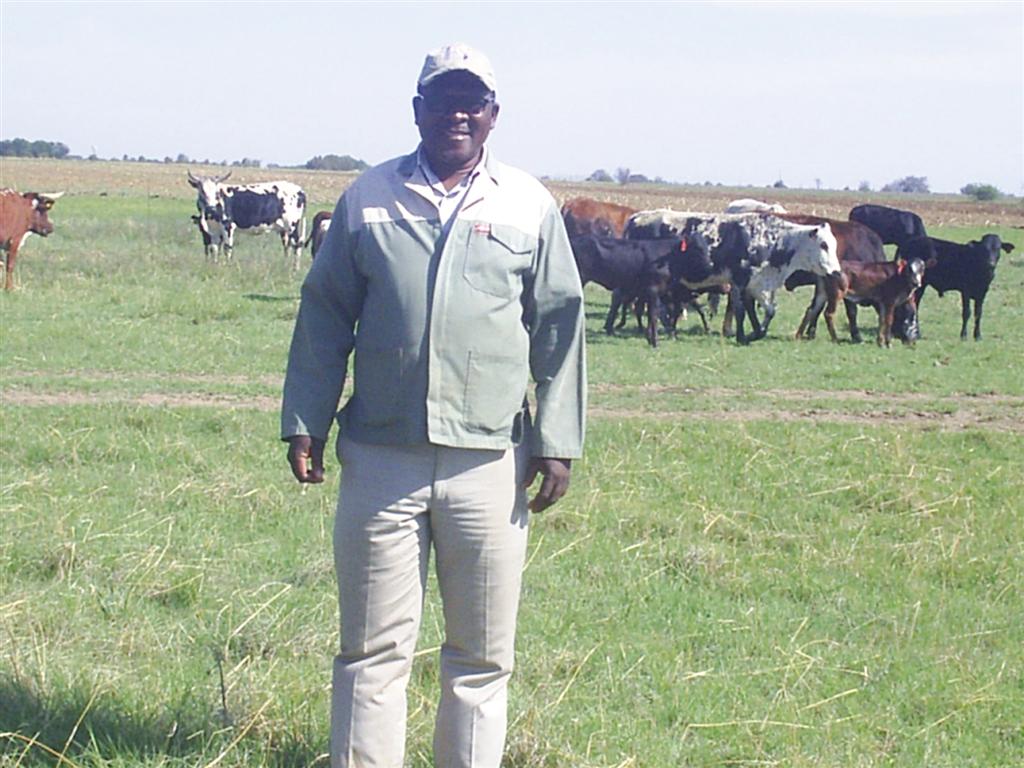
Foto 1: Aupa Moses Mvala with some of his cattle.
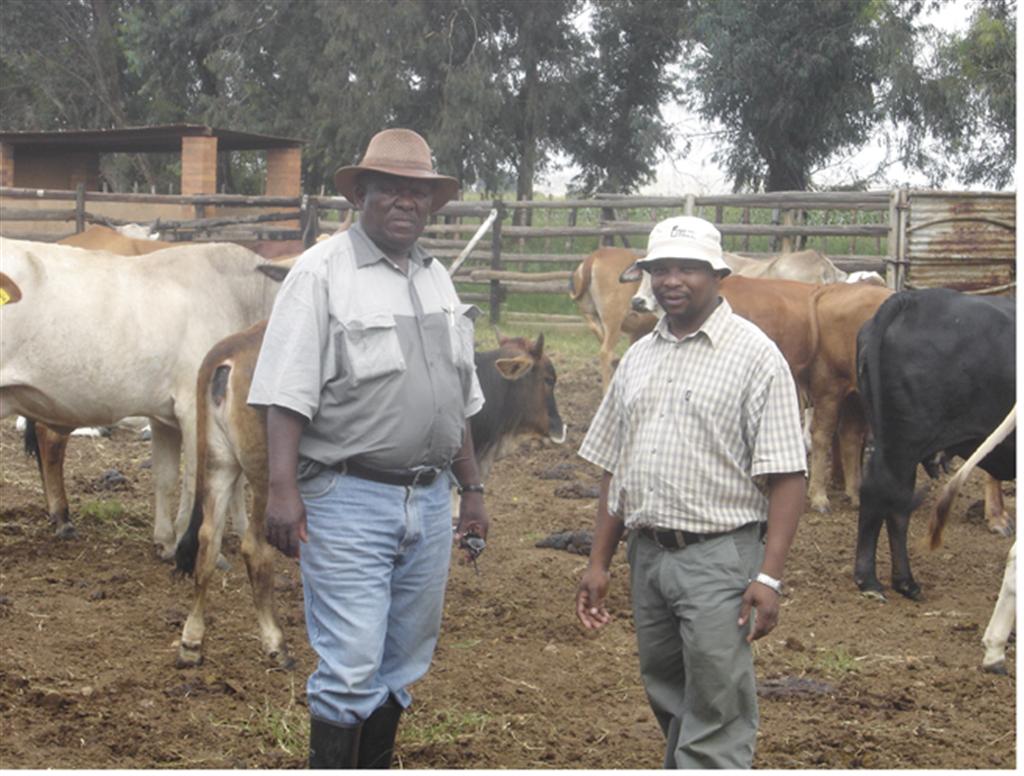
Foto 2: Sipho Magane with Senwes Livestock Specialist, Castuff Sekgala at the kraal of the newly acquired farm.
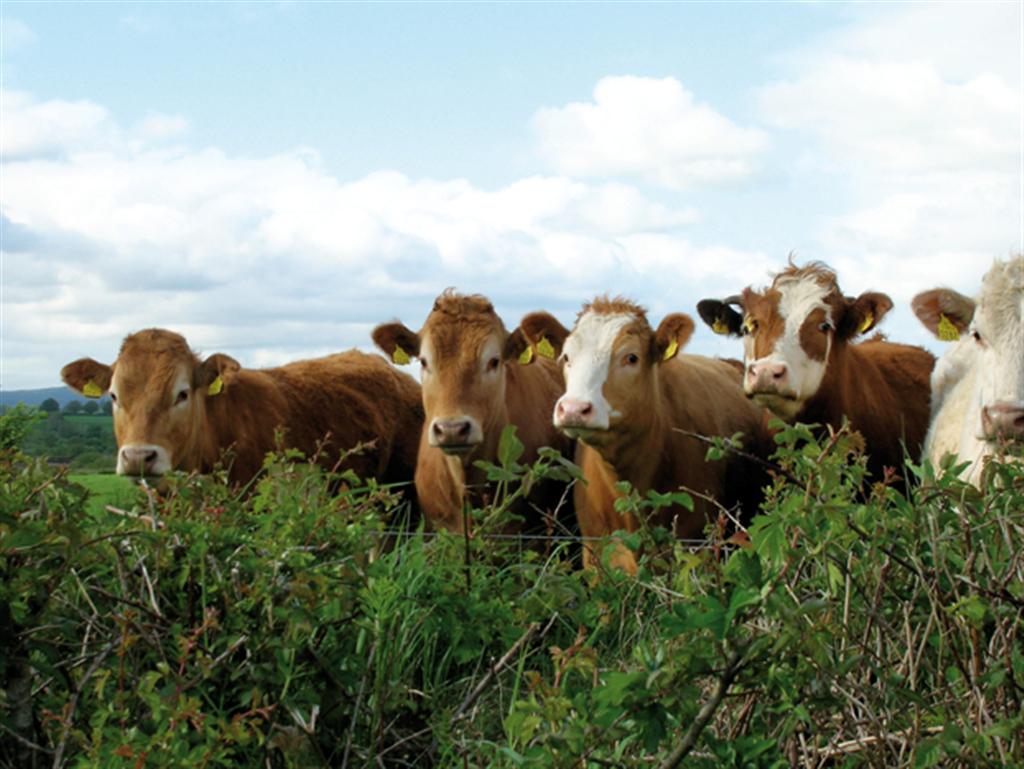
Foto 3: The programme called Continuous Improvement, an initiative of Senwes Agri Services, is aimed at assisting developing producers to address production challenges.
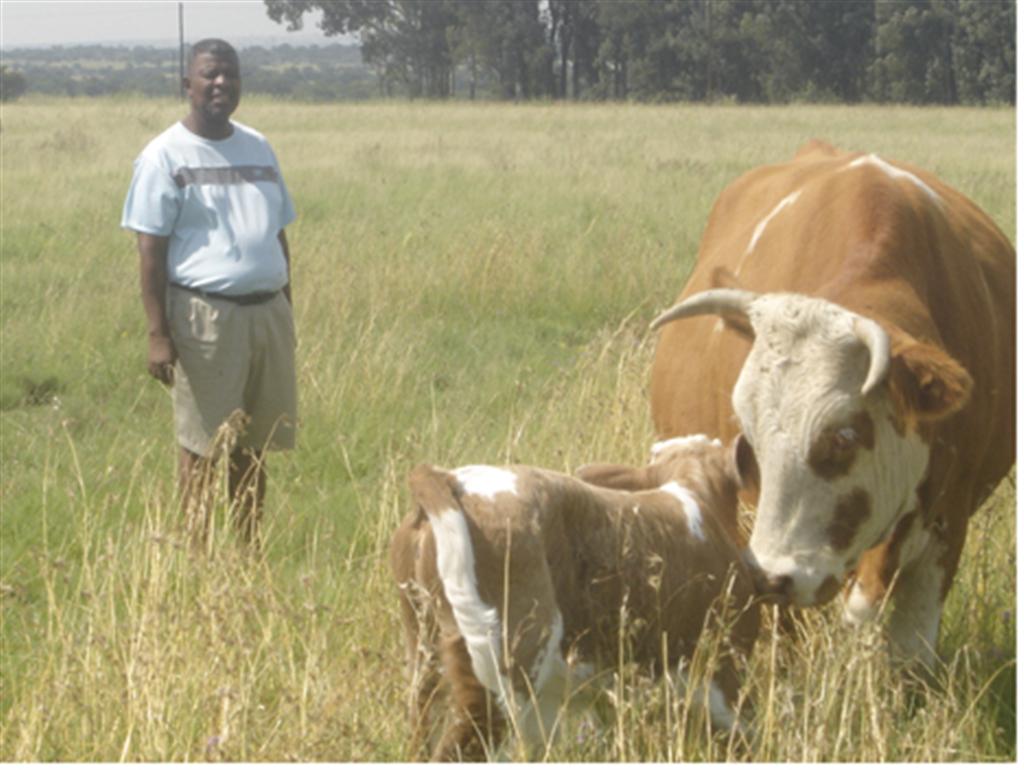
Foto 4: Gauta Mkhwanazi with his Simmentaler cow and calf.
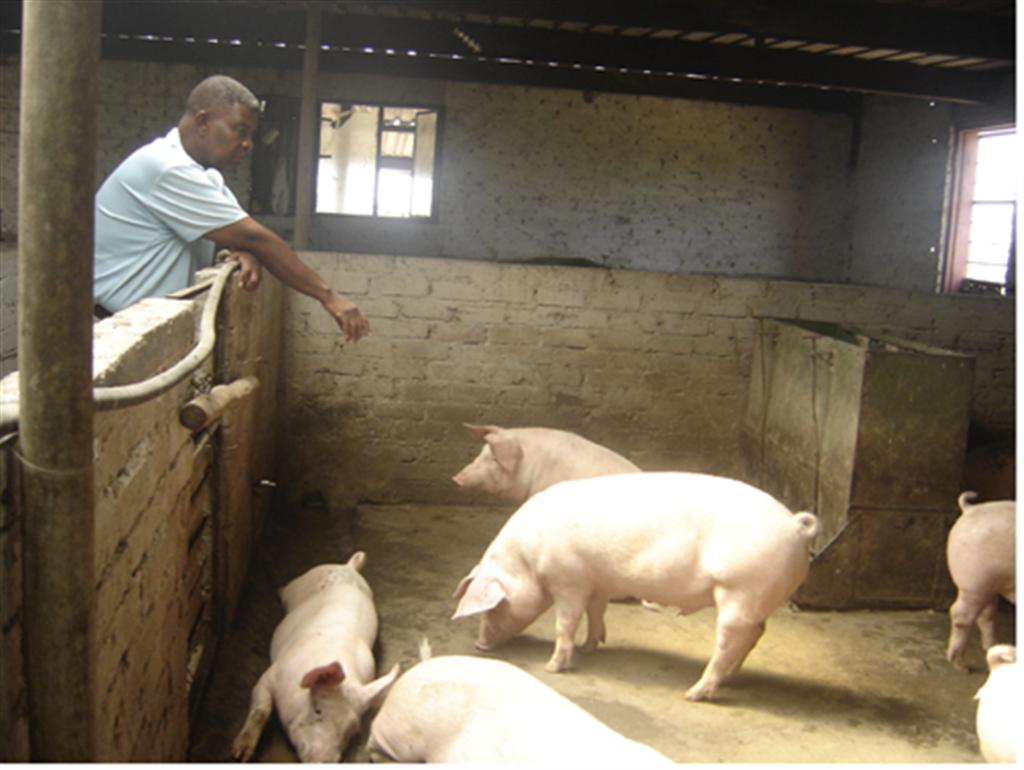
Foto 5: In addition, Senwes has approved a livestock account which enables Samual Sekekete to purchase livestock intermediaries at Senwes.
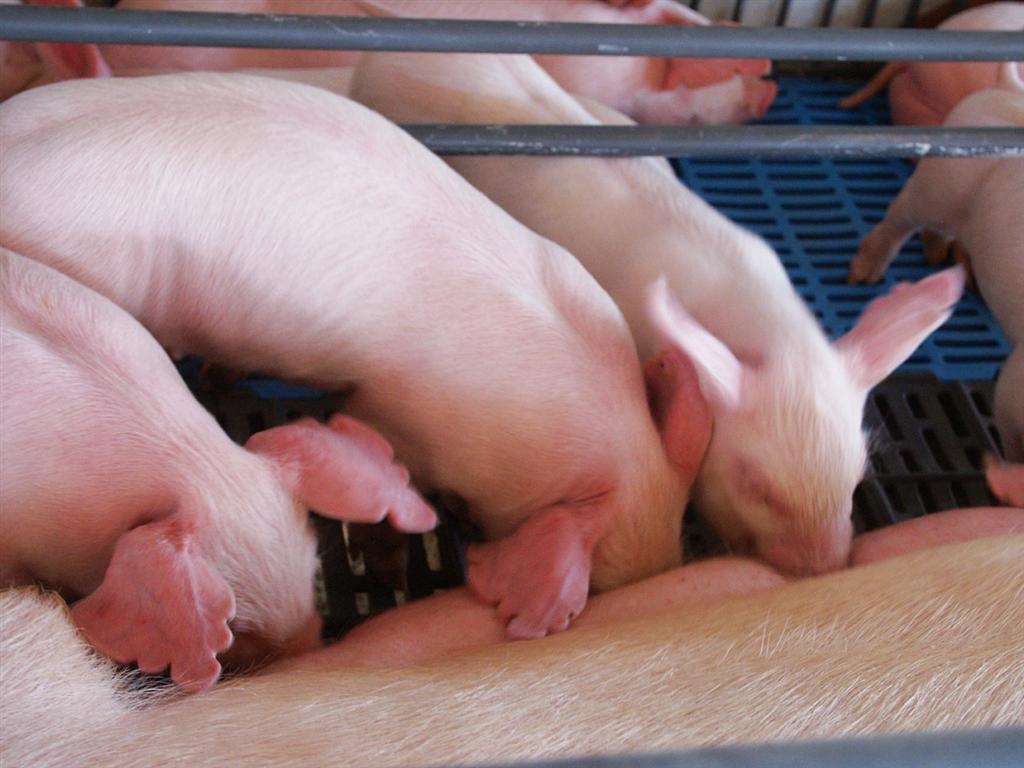
Foto 6: Gauta won first prize in the category: Emerging Pork producer at a 2008 carcass competition.
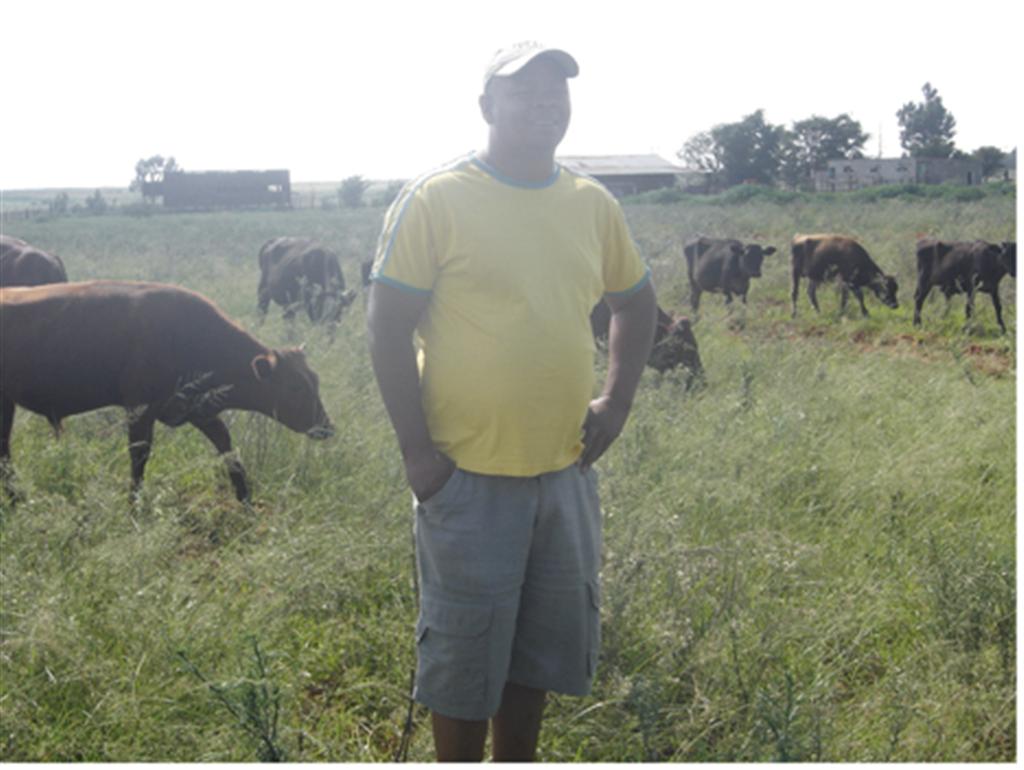
Foto 7: Moses Shuping with his cattle at Gedeelt farm, Hartbeesfontein.
Tables
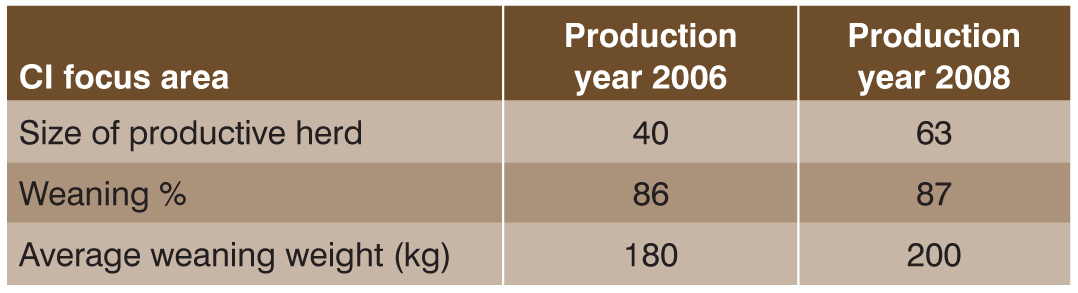
Table 1: Production results of Aupa�s commercial herd.
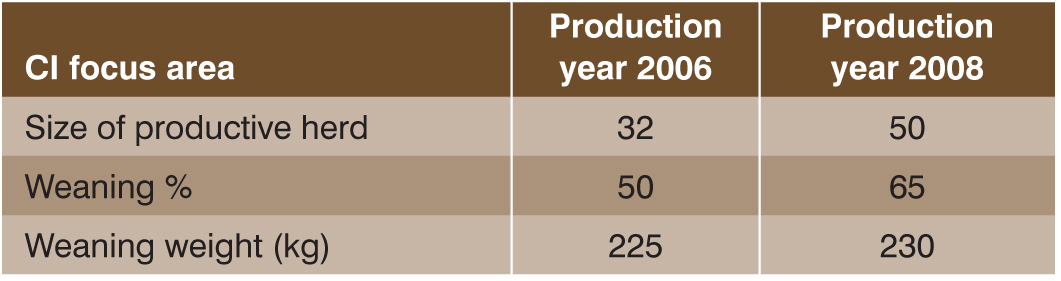
Table 2: Results of Sipho�s cattle production.
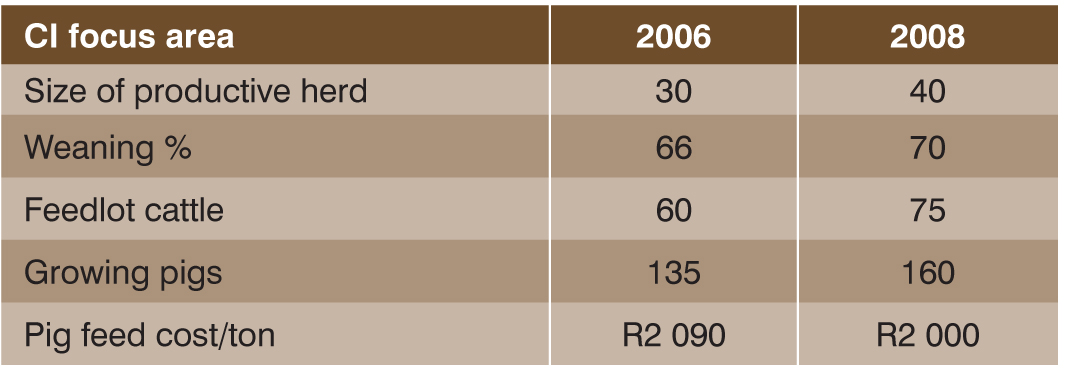
Table 3: Production results of Gauta�s cattle and pig enterprises.
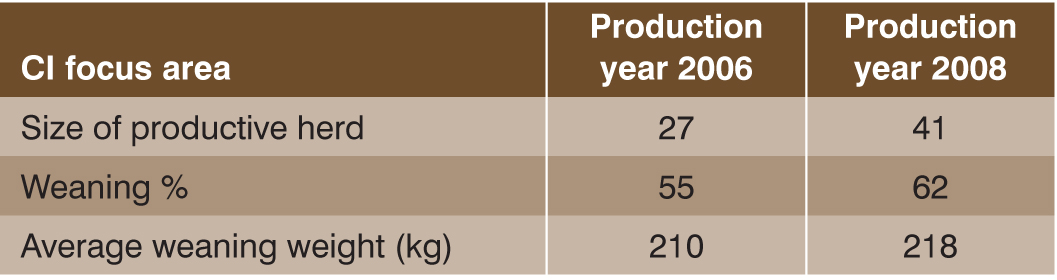
Table 4: Production results of Samuel�s cattle enterprise